

A few months ago, our Honda and Connected TV teams met in Laguna Beach for a strategy session with one primary objective: identifying new ways to help our dealership partners capture more market share.
We spent our time discussing changing media habits, audience behavior, Connected TV, search, inventory strategy, attribution, and the evolving automotive customer journey. We challenged assumptions, shared ideas, and explored where the biggest opportunities may exist for dealers.
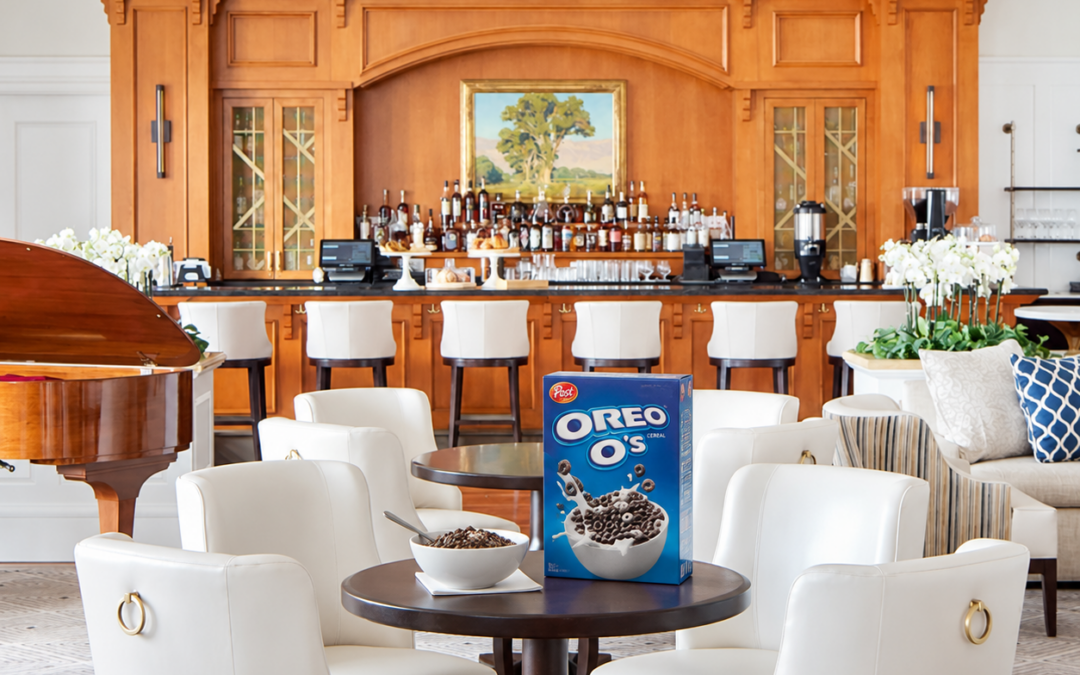
Like most productive strategy meetings, the conversation did not stop when the presentations ended. While sitting together in the Montage lobby, the topic unexpectedly shifted to breakfast cereal.
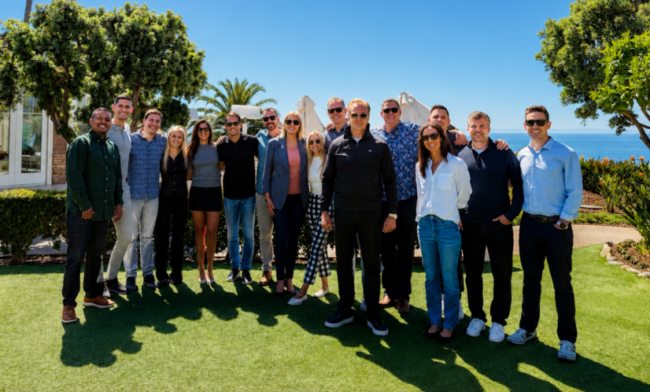
The Honda and Connected TV teams gathered in Laguna Beach to develop strategies focused on helping dealerships grow market share through evolving media, audience insights, and consumer behavior.
Someone asked why so many adults still love cereals that were clearly created for kids. Cookie Crisp, Fruity Pebbles, Lucky Charms and several others quickly entered the debate. Everyone agreed that adults had probably outgrown them—and then almost everyone admitted there was at least one they would still happily eat.
That is when I brought up Oreo O’s.
Oreo O’s disappeared from grocery store shelves in the United States for several years, but they continued to be produced in South Korea. Consumers who really wanted them could order boxes through eBay, paying a premium and waiting for international shipping just to get the cereal they wanted.
What began as a funny conversation quickly became one of the most relevant consumer-behavior discussions of the meeting.
It Was Never Really About Cereal
Marketers often assume that consumers make rational decisions by comparing prices, evaluating alternatives, and choosing the most convenient option. Those factors matter, but they do not always determine the final purchase.
Once someone decides they want something specific, convenience can become secondary. They may spend more, travel farther or wait longer because they have already decided that a particular product is the right one.
The same behavior appears every day in automotive retail.
Dealerships Serve Browsers and Hunters
Not every vehicle shopper is at the same stage of the buying journey. Some are still exploring, while others have already made most of the important decisions.
- Browsers are comparing makes and models, reading reviews, watching videos, evaluating incentives and deciding what best fits their needs.
- Hunters already know the model, trim, color, package or features they want. They are no longer asking what to buy. They are asking who has it.
Hunters may drive past several dealerships to reach the one with the right vehicle. They may expand their search hundreds of miles, accept a longer wait or pay more than originally planned because finding the exact vehicle matters more than buying from the closest store.
Hunters are not simply looking for the best deal. They are looking for the exact vehicle they have already decided they want.
Hunters aren’t simply looking for the best deal—they’re looking for the exact vehicle they’ve already decided they want. The dealerships that make their inventory easy to find are the ones that win.
What This Means for Automotive Marketing
The modern vehicle shopper moves between search engines, dealership websites, third-party marketplaces, YouTube, social media, Connected TV and emerging AI-powered discovery tools. Consumers do not think about these as separate marketing channels. They simply expect to find the right vehicle.
For dealers trying to gain market share, that creates several clear priorities:
- Inventory visibility matters as much as proximity. The dealer across town is not always the primary competitor. It may be the dealer three states away with the exact vehicle a shopper wants.
- Every vehicle should be marketed as an individual opportunity. Model, trim, color, equipment, price, and availability can each influence whether a high-intent shopper finds a particular unit.
- Vehicle Detail Pages must build confidence. Strong photos, accurate information, transparent pricing, and clear next steps can determine whether a shopper continues searching or contacts the dealership.
- CTV should support the complete shopping journey. Connected TV can build awareness and preference, while search, social, marketplaces, and dealership inventory experiences help convert that interest into action.
- Market-share strategies must account for both audiences. Dealers need messaging that helps Browsers choose a vehicle and inventory strategies that help Hunters locate the exact one.
Winning Market Share Starts with Being Found
Gaining market share is not always about reaching the largest possible audience. Sometimes it is about making sure the shopper who already knows exactly what they want can find your inventory before finding a competitor’s.
That requires more than buying impressions or generating clicks. It requires coordination between media strategy, inventory merchandising, search visibility, Connected TV, audience targeting, and the dealership website.
Technology will continue to evolve. AI will influence how consumers research products. Media consumption will keep fragmenting, and new shopping platforms will emerge. Consumer psychology, however, remains remarkably consistent.
Whether someone is ordering Oreo O’s from halfway around the world or driving three hours for the exact Honda they have been searching for, the motivation is similar: when people know what they want, they are often willing to go out of their way to get it.
The dealerships that consistently gain market share understand that truth. They do not simply market to everyone. They make it easier for the right buyers to find exactly what they are looking for.